
Your First 48 Hours in Catania — A Local's Itinerary
The perfect two-day introduction to Sicily's most underrated city
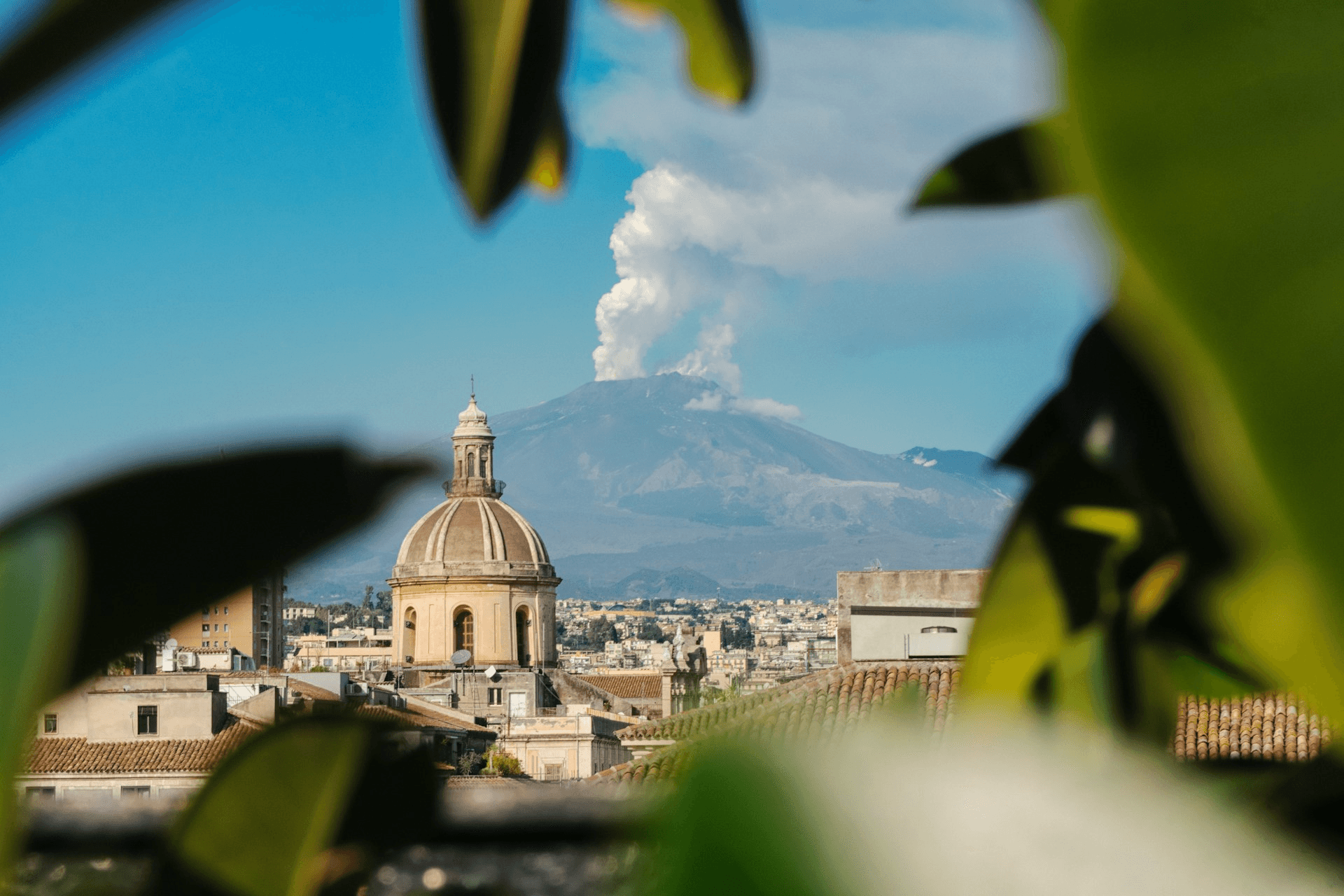
Catania might be the most underrated city in Sicily right now.
The black lava stone buildings. The chaotic traffic. The layer of volcanic dust on everything. It's not pretty in the way Florence or Venice are pretty.
But give it 48 hours. Walk the right streets at the right times. Eat the right food in the right places. And you'll understand why Catania is becoming Sicily's most exciting city.
This is a simple 48-hour guide to help you experience it properly. It hits the essential sights while leaving room for the spontaneous discoveries that make Catania special.
Day 1: The Historic Heart
Morning: Piazza del Duomo and the Fish Market (8:00 AM — 11:00 AM)Start early. The Pescheria fish market behind Piazza del Duomo is at its best before 9 AM, when the fishermen are still unloading overnight catches and the energy is electric.
Walk through the market even if you're not buying anything. Watch the swordfish being cleaned. Listen to the vendors shouting prices in dialect. See the three generations of a family working a single stall.
Then circle back to Piazza del Duomo. The cathedral is impressive, but the real star is the Elephant Fountain — the symbol of Catania, made from black lava stone, with an Egyptian obelisk on top.
Grab a cipollina (puff pastry with tomato and onion) from a nearby bar for breakfast. Eat it standing up like a local.
Midday: Via dei Crociferi (11:00 AM — 1:00 PM)Walk east from the Duomo to Via dei Crociferi, the street that showcases Catania's Baroque architecture. Four churches in a few hundred meters, all built from the same black lava stone after the 1693 earthquake destroyed the city.
The uniformity is the point. Catania rebuilt itself quickly and completely, creating one of Europe's most cohesive historic centers.
Take photos, but also just look. The way the black stone absorbs and reflects light is unlike anything else in Italy.
Lunch: Trattoria Time (1:00 PM — 3:00 PM)Find a trattoria away from the main squares. Order pasta alla Norma — Catania's signature dish. Eggplant, ricotta salata, tomato, basil. Simple, perfect.
Have a glass of Etna Rosso with it. The volcanic wines from Mount Etna pair beautifully with Sicilian food.
Afternoon: Castello Ursino (3:30 PM — 5:30 PM)This medieval castle survived the 1693 earthquake that destroyed most of Catania because it was built on higher ground. The lava flow from Etna actually surrounded it, creating a natural moat.
Today it houses the Civic Museum with artifacts from Catania's Greek, Roman, and medieval past. But the real draw is the castle itself — thick stone walls, towers, and a sense of history you can feel.
Evening: Aperitivo and Dinner (6:00 PM — 10:00 PM)Italians don't eat dinner at 6 PM. Use that time for aperitivo instead — a drink and small snacks at a bar near Piazza Università.
Watch the students, the businessmen, the old men who've been meeting at the same bar for decades. This is Catania's living room.
For dinner, head to one of the seafood restaurants near the port. Order whatever was caught that morning. In Catania, "fresh" isn't marketing — it's reality.
Day 2: Etna and Beyond
Morning: Mount Etna (8:00 AM — 2:00 PM)You can't come to Catania and skip Etna. You just can't.
Book a guided tour that picks you up from your hotel. The best ones combine a jeep ride up the mountain with a hike to the summit craters and a visit to a winery on the way down.
Standing on an active volcano, watching steam rise from vents, looking down at the Mediterranean — it's the kind of experience that changes how you think about travel.
Wear sturdy shoes and bring layers. Even in summer, it's cold at 3,000 meters.
Late Afternoon: Villa Bellini (4:00 PM — 6:00 PM)After the intensity of Etna, you need something peaceful. Villa Bellini is Catania's main public garden, and it's the perfect place to decompress.
Stroll through the botanical collection. Sit on a bench and people-watch. The garden attracts everyone — families, couples, old men playing cards, students studying.
It's also the highest point in the historic center, so you get views of Etna in one direction and the sea in the other.
Evening: Teatro Massimo Bellini (7:00 PM — 10:00 PM)If there's a performance at Catania's opera house, go. Even if you don't think you like opera.
The theater is stunning — built in the 1800s, named after Catania's most famous composer, with red velvet and gold leaf everywhere. It's worth the ticket price just to see the building.
If opera isn't your thing, check their schedule for concerts or ballet. Or just take a guided tour of the theater during the day.
What This Itinerary Misses48 hours isn't enough for everything, so if you have more time you might consider visiting:
• The Roman Amphitheater (worth 30 minutes if you have time) • The Benedictine Monastery (beautiful, but a bit out of the way) • The beaches south of the city (better for a longer trip) • Day trips to Taormina, Syracuse, or Noto (save these for day 3+)
But it gives you the essential Catania experience — the history, the food, the volcano, and the daily life of the city.
The Bottom LineCatania rewards the curious. It's not a city that reveals itself immediately. But follow this itinerary, stay open to surprises, and you'll leave wondering why more people don't talk about it.
Come for Etna. Stay for the food. Return for the chaos that somehow works. |
Stay up to date with our local news!
Get articles like this delivered to your inbox.
Subscribe Now
May 26, 2026
"Catania Transforms into Pop-Culture Paradise: A Mecca for Fans of All Things Trendy!"
Unleash excitement as Catania transforms into a hub for pop-culture lovers.

May 26, 2026
"Catania's Long-Neglected Beauty Getting Multi-Million Euro Facelift"
Unveiling Catania's Historic Transformation: The Revival of an Iconic Workhorse.

May 23, 2026
"Spring Celebration in Aci Trezza: A Blissful Sunday by the Sea"
Discover the charm of Festa di Primavera in Aci Trezza - a delightful seaside celebration like no other.

May 23, 2026
Nivarata Festival 2026: Celebrate Sicilian Granita in Acireale
Experience the Nivarata Festival in Acireale from May 22-24, 2026, celebrating Sicilian granita with tastings, workshops, and cultural events.
0 Comments
Join the conversation
Be the first to comment
Share your thoughts above.