
The 7 Best Etna Wineries You Need to Visit (Local's Guide)
From volcanic soil to your glass — discover the wineries that make Etna wines world-famous
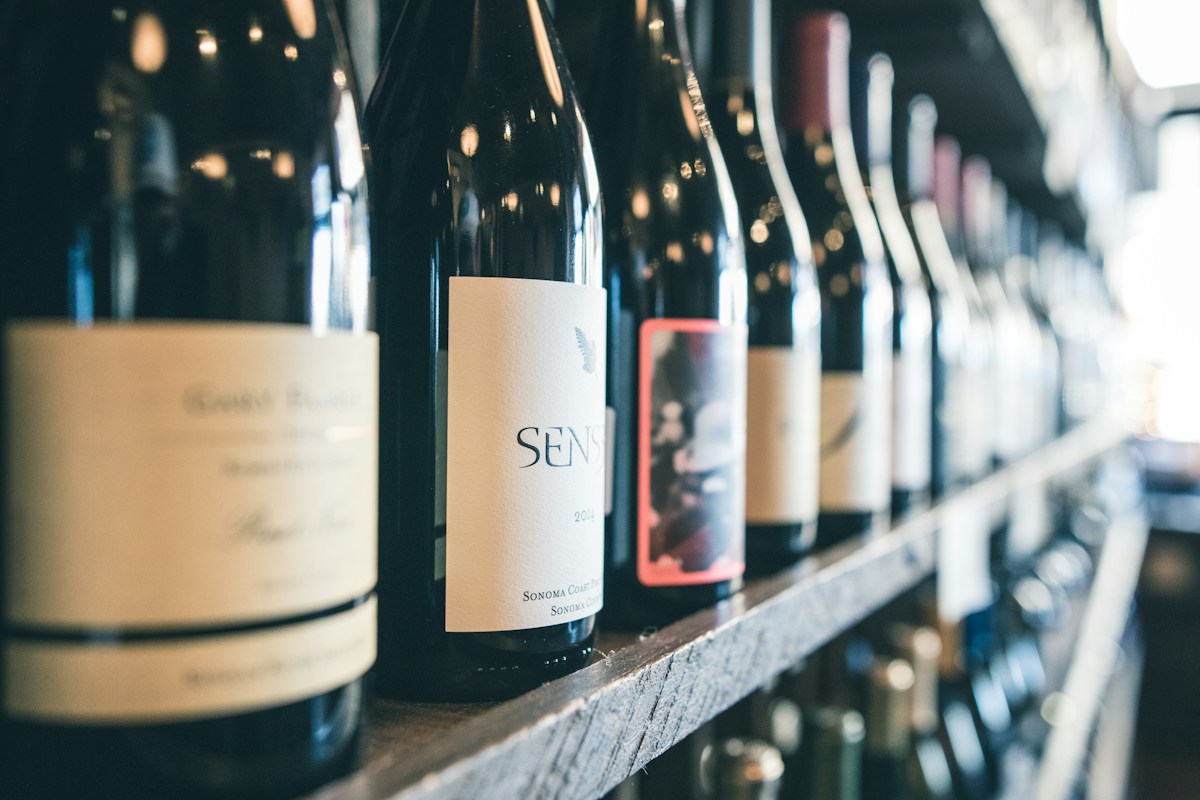
There's something magical about drinking wine grown on the slopes of an active volcano.
Etna wines have exploded onto the international scene in recent years. Wine critics now rank them alongside Barolo and Brunello. But here's what most tourists don't know — the best Etna winery experiences aren't found in guidebooks.
As someone who's spent months exploring every corner of the Etna wine region, I'm sharing the seven wineries that actually deserve your time. These aren't just beautiful estates. They're producing wines that will change how you think about Sicilian viticulture.
Why Etna Wines Are Different
Before we dive into the wineries, you need to understand what makes Etna special.
The vineyards here grow on volcanic soil at elevations between 600 and 1,200 meters. The mineral-rich earth, dramatic temperature swings between day and night, and constant volcanic activity create conditions found nowhere else on Earth.
The result? Wines with incredible complexity, bright acidity, and a distinctive smoky minerality that sommeliers obsess over.
Etna Rosso (red) is made primarily from Nerello Mascalese, producing elegant, Burgundy-style wines. Etna Bianco (white) features Carricante, creating crisp, mineral-driven whites that age beautifully.
The 7 Best Etna Wineries
1. Tenuta delle Terre Nere
Marco de Grazia pioneered Etna's wine renaissance here. His winery sits at 600-900 meters on the northern slopes, with vines planted between 50 and 150 years ago.
The tasting experience: You'll sample single-vineyard wines that showcase how dramatically terroir changes across just a few hundred meters. The Santo Spirito vineyard produces wines of haunting elegance. The Guardiola vineyard delivers power and structure.
Book the full estate tour. Walking through those old-vine vineyards with Etna smoking in the background is unforgettable.
2. Benanti
The Benanti family has been making wine here since 1988, but their roots go back generations. They're traditionalists in the best sense — focused on expressing pure terroir without manipulation.
Their Etna Rosso Rovittello comes from 80-year-old vines and represents everything great about traditional Etna winemaking. The Etna Bianco Superiore Pietramarina is arguably the finest white wine on the mountain.
The winery itself is modest, but the hospitality is genuine. You'll taste with family members who can trace their connection to these vines back a century.
3. Tornatore
With vineyards at 1,000 meters near Randazzo, Tornatore represents the new generation of Etna winemaking. They've invested heavily in modern facilities while respecting traditional methods.
Their Etna Rosso Trimarchisa comes from 100-year-old vines and delivers incredible complexity for the price. The Etna Bianco Pietrarizzo shows how elegant Carricante can be.
The estate tour includes their impressive underground cellar and offers stunning views of the northern valleys.
4. Cottanera
The Castroverde family has farmed these lands for generations. Their winery sits at 700 meters near Castiglione di Sicilia, surrounded by ancient vineyards.
They're known for elegant, restrained wines that emphasize finesse over power. The Etna Rosso Feudo di Mezzo is a masterclass in balance. The Etna Bianco shows remarkable aging potential.
Visit during harvest season (September-October) to see traditional winemaking in action.
5. Firriato
While Firriato operates across Sicily, their Etna project deserves special attention. They've embraced sustainable viticulture with impressive commitment.
Their Etna Rosso Cavanera comes from high-elevation vineyards and shows beautiful freshness. The Etna Bianco offers exceptional value.
The modern tasting room provides a comfortable experience, and their staff speaks excellent English.
6. Planeta
Yes, Planeta is a large producer. But their Etna wines deserve respect. They've invested serious resources in understanding this terroir.
The Etna Rosso shows consistent quality across vintages. The Etna Bianco demonstrates how Carricante can develop with age.
Their Etna estate offers professional tours with excellent facilities. It's a good introduction for wine tourists who want reliable quality.
7. Yn
This boutique winery represents everything exciting about Etna's future. Small production, obsessive attention to detail, and wines that challenge your expectations.
Availability is limited, but if you can arrange a visit, you'll experience Etna winemaking at its most artisanal.
How to Visit These Wineries
Most Etna wineries require advance booking, especially during peak season (May-October). Many don't have regular tasting room hours.
The best approach? Book a guided wine tour that includes multiple wineries. You'll get access to estates that don't accept individual visitors, plus transportation between locations.
Alternatively, contact wineries directly via email. Most respond within 24-48 hours. Expect to pay €15-30 per person for tastings, often credited toward wine purchases.
When to Visit
Spring (April-June) offers mild weather and wildflowers among the vineyards. Fall (September-October) brings harvest activity and beautiful colors. Summer is hot but the elevation provides relief. Winter can be dramatic with snow-capped vines.
Harvest season is magical but book months in advance.
What to Expect
Etna winery visits aren't polished Napa Valley experiences. These are working farms, often family operations. Facilities range from rustic to modern.
What you get instead is authenticity. You'll meet people whose families have farmed these volcanic slopes for generations. You'll taste wines that genuinely express one of the world's most unique terroirs.
And you'll understand why wine professionals now consider Etna one of the most exciting wine regions on Earth.
Ready to explore Etna's wines? Start with one of these seven wineries. Each offers a different perspective on what makes this volcanic terroir so special. |
Stay up to date with our local news!
Get articles like this delivered to your inbox.
Subscribe Now
May 26, 2026
"Catania Transforms into Pop-Culture Paradise: A Mecca for Fans of All Things Trendy!"
Unleash excitement as Catania transforms into a hub for pop-culture lovers.

May 26, 2026
"Catania's Long-Neglected Beauty Getting Multi-Million Euro Facelift"
Unveiling Catania's Historic Transformation: The Revival of an Iconic Workhorse.

May 23, 2026
"Spring Celebration in Aci Trezza: A Blissful Sunday by the Sea"
Discover the charm of Festa di Primavera in Aci Trezza - a delightful seaside celebration like no other.

May 23, 2026
Nivarata Festival 2026: Celebrate Sicilian Granita in Acireale
Experience the Nivarata Festival in Acireale from May 22-24, 2026, celebrating Sicilian granita with tastings, workshops, and cultural events.
0 Comments
Join the conversation
Be the first to comment
Share your thoughts above.